
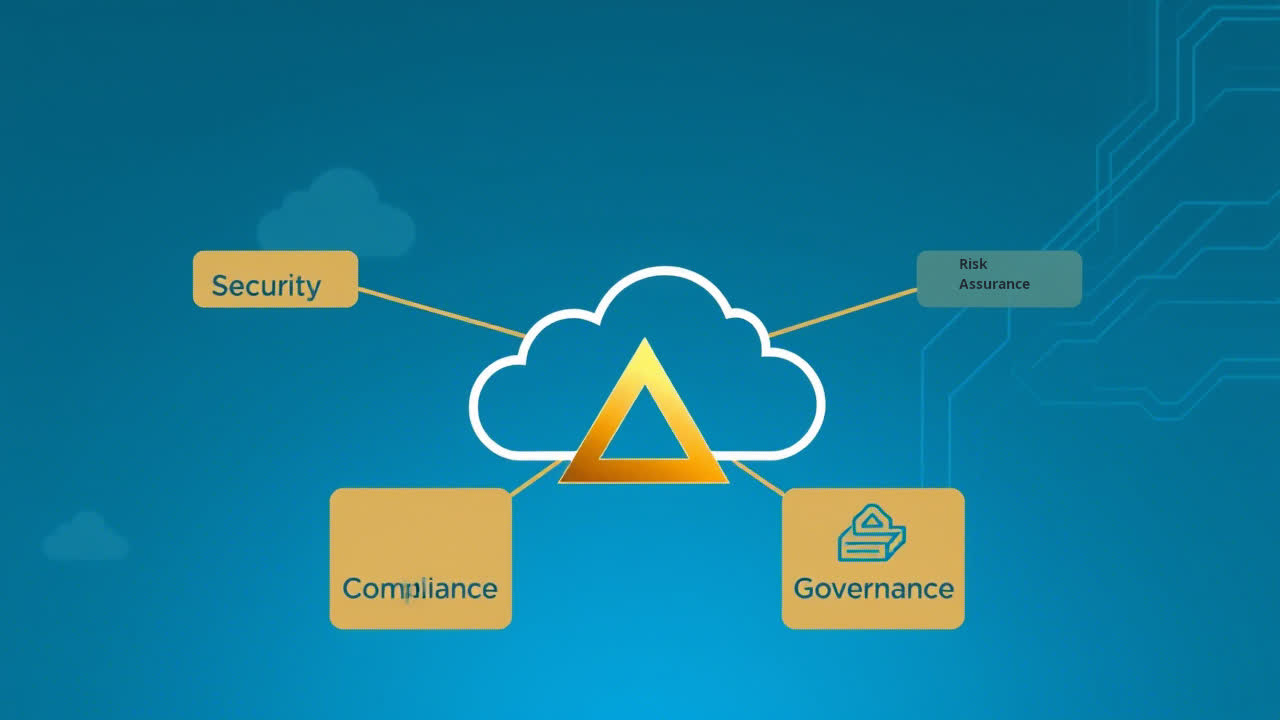
 As organisations increasingly move to the cloud, ensuring governance, risk management, and compliance becomes more complex. Cloud-based ICT environments introduce unique challenges, such as data security concerns and vendor dependency. The eGRACS framework addresses these challenges by providing a unified approach to governance that seamlessly adapts to cloud, co-sourced, and outsourced landscapes.
Why Cloud-Based ICT Needs Governance
Cloud environments offer flexibility and scalability, but they also come with risks that require robust governance. Here’s why governance is essential:
1. Data Security and Privacy
Storing data in the cloud increases the risk of breaches and unauthorised access, requiring stringent controls.
2. Vendor Dependency
Reliance on third-party providers can create blind spots in governance if not managed effectively.
3. Regulatory Compliance
Cloud environments must adhere to the same compliance standards as on-premises systems, such as GDPR, HIPAA, and ISO 27001.
4. Multi-Environment Integration
Organisations often operate in hybrid or multi-cloud setups, which adds layers of complexity to governance.
How eGRACS Supports Cloud-Based ICT Environments
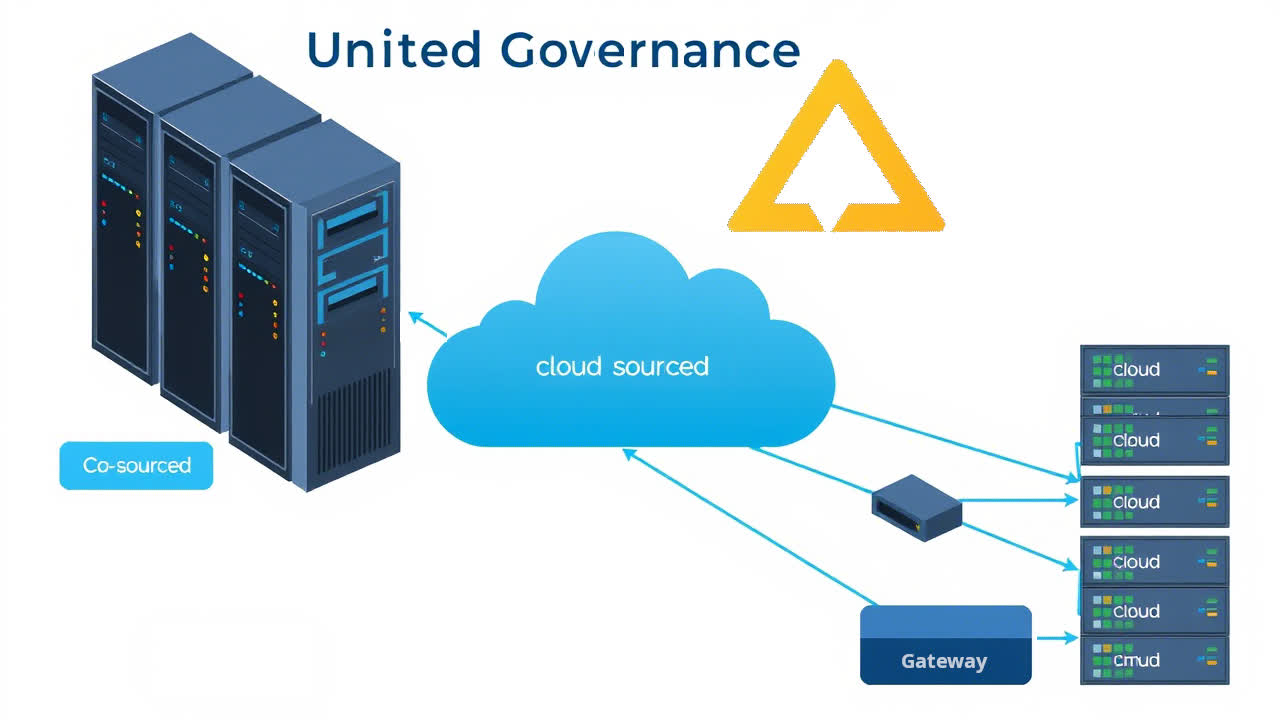 eGRACS provides a structured framework that ensures governance, compliance, and security in cloud-based ICT environments. Here’s how:
1. Unified Governance Across Environments
eGRACS integrates governance across cloud, co-sourced, and outsourced environments, ensuring consistency and alignment.
2. Risk Management in the Cloud
The framework identifies and mitigates risks specific to cloud environments, such as vendor lock-in and data sovereignty issues.
3. Compliance Mapping
eGRACS maps controls to major compliance standards, simplifying audits and ensuring adherence to regulations.
4. Scalability and Flexibility
Whether you operate in a single-cloud, multi-cloud, or hybrid setup, eGRACS scales to meet your governance needs.
Step-by-Step Guide to Implementing eGRACS in Cloud-Based ICT
Step 1: Assess Your Cloud Landscape
Identify the cloud environments in use, including public, private, and hybrid setups, as well as associated risks and dependencies.
Step 2: Define Governance Objectives
Set clear goals for governance, risk management, and compliance that align with your organisational priorities.
Step 3: Implement eGRACS Controls
Deploy the framework’s unified controls to establish consistent governance across all cloud and outsourced environments.
Step 4: Monitor and Adapt
Continuously monitor your cloud environments for emerging risks and update your governance practices accordingly.
Benefits of Using eGRACS for Cloud-Based ICT
- Enhanced Security: Protects sensitive data and ensures vendor accountability.
- Streamlined Compliance: Simplifies adherence to standards like GDPR and ISO 27001.
- Operational Efficiency: Reduces complexity in managing multi-cloud and hybrid environments.
- Scalability: Adapts to your organisation’s evolving ICT needs.
Who Should Use eGRACS?
eGRACS is designed for a diverse range of industries and organisations, including:
- Finance: Streamlines governance processes to meet strict regulatory standards.
- Healthcare: Protects patient data while ensuring HIPAA compliance.
- Retail: Aligns ICT operations across multiple locations for improved efficiency.
- Technology: Supports innovation while maintaining robust risk management practices.
Govern Your Cloud Environment with eGRACS
Ready to take control of your cloud-based ICT environment? With eGRACS, you can ensure governance, compliance, and security across all your cloud and outsourced systems. Start your journey today!


Leave a Comment: