
What Is eGRACS©?
 In today’s complex digital landscape, managing ICT systems effectively can feel like trying to untangle a web of overlapping processes, compliance requirements, and security challenges. This is where eGRACS comes in—a unified ICT governance framework designed to simplify, streamline, and strengthen the way organizations manage their information and communication technology.
The Challenges of Traditional ICT Governance
A Fragmented Approach
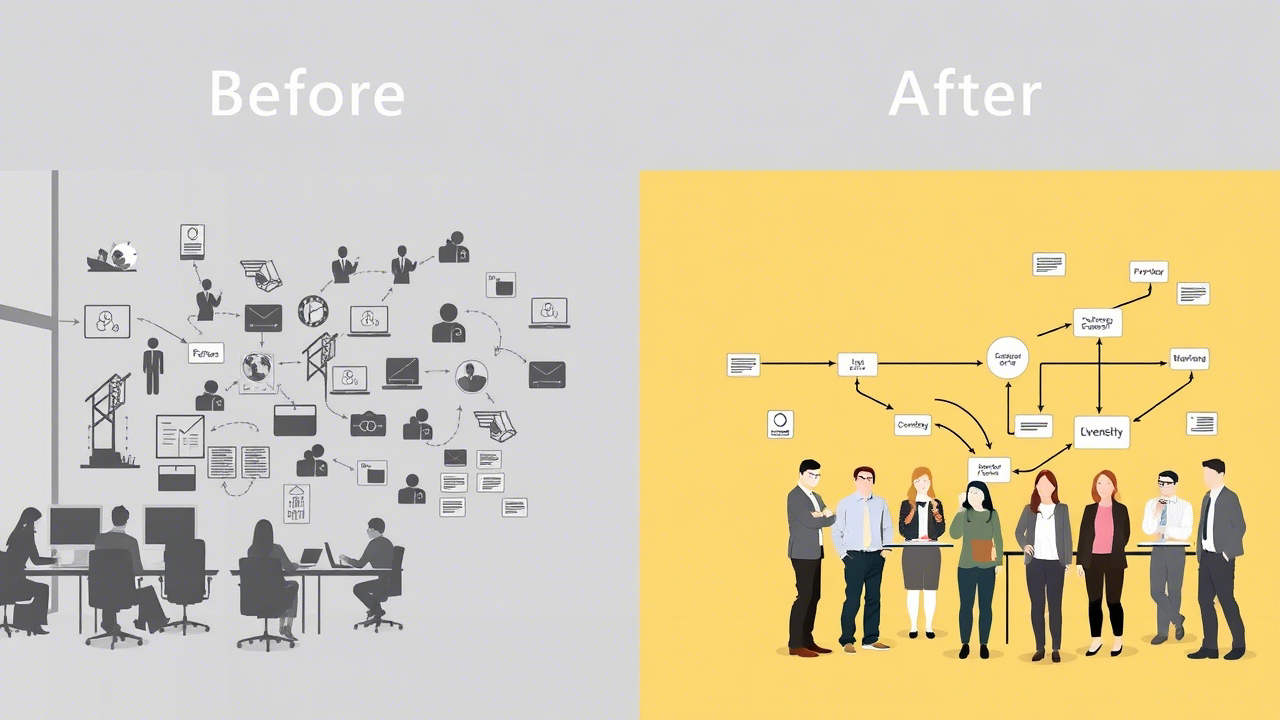
For decades, ICT governance has been a patchwork of siloed processes. IT departments focus on delivering solutions, risk teams handle compliance, and audit teams assess gaps—often with little coordination between them.
Complexity and Compliance Overload
Organizations face increasing pressure to adhere to a growing number of standards and regulations like GDPR, ISO 27001, and HIPAA. Managing these compliance requirements separately creates bottlenecks and wastes resources.
Enter eGRACS: A Unified Solution
What Does eGRACS Stand For?
eGRACS stands for Enterprise Governance, Risk, Audit, Compliance, and Security. It’s not just a framework—it’s a philosophy that integrates these crucial elements into a cohesive system.
The Core Idea Behind eGRACS
 At its heart, eGRACS unifies ICT governance processes into a single structure, eliminating silos and redundancies. By providing a clear roadmap for managing risks, compliance, and technology investments, it empowers organizations to focus on strategic goals.
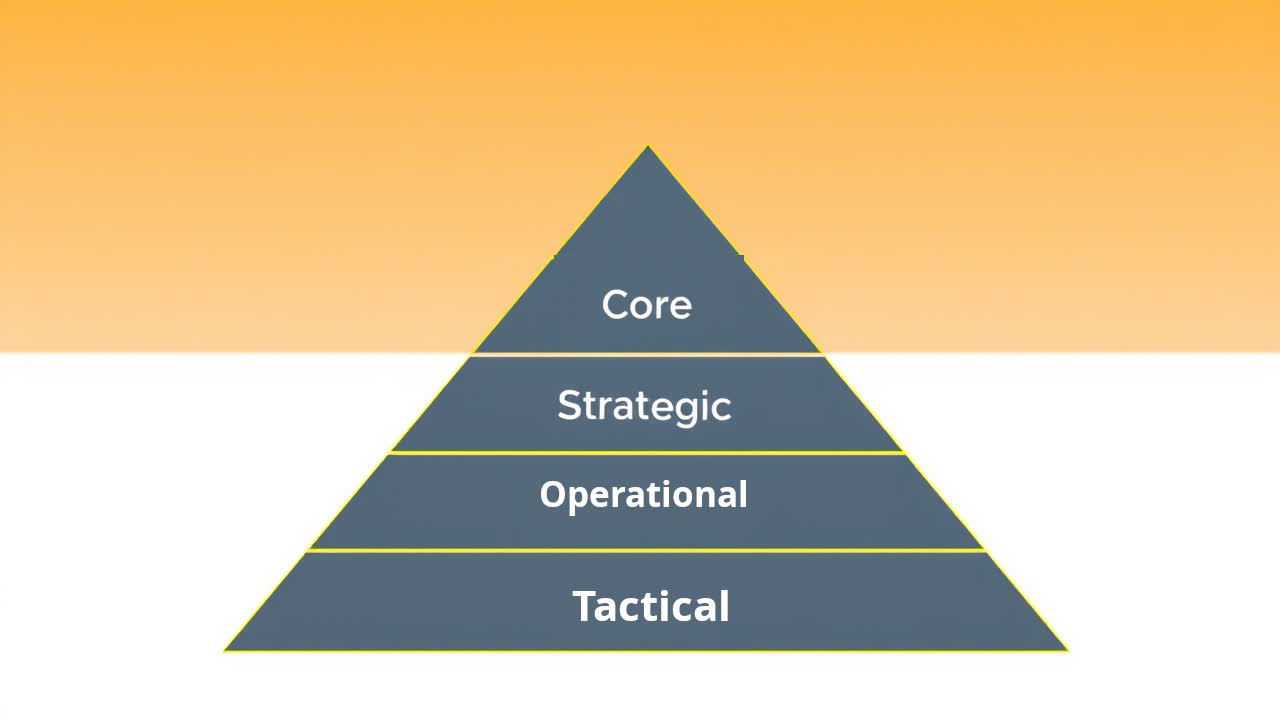
The Four-Tier Structure of eGRACS
1. Core Tier: The Foundation
The Core Tier sets the principles and objectives that guide ICT governance. Think of it as the bedrock upon which the entire framework is built.
2. Strategic Tier: Bridging Goals and Technology
This tier connects business objectives with ICT initiatives. It ensures every project contributes to overall success.
3. Operational Tier: Turning Strategy into Action
The Operational Tier translates strategic plans into actionable processes, ensuring policies come to life through implementation.
4. Tactical Tier: Tools and Techniques for Precision
 The Tactical Tier focuses on the tools, techniques, and technologies required to execute processes effectively.
Key Benefits of eGRACS
- Simplifying Complexity: Reduces chaos by integrating multiple ICT standards into a unified system.
- Enhancing Security and Compliance: Proactively manages risks and ensures regulatory adherence.
- Aligning ICT with Business Goals: Turns ICT from a support function into a driver of growth.
- Scalability and Flexibility: Adapts to diverse environments, whether on-premise, outsourced, or cloud-based.
Who Should Use eGRACS?
eGRACS is designed for a diverse range of industries and organisations, including:
- Healthcare: Protects patient data while ensuring HIPAA compliance.
- Finance: Streamlines governance processes to meet strict regulatory standards.
- Retail: Aligns ICT operations across multiple locations for improved efficiency.
- Technology: Supports innovation while maintaining robust risk management practices.
Take the First Step with eGRACS
eGRACS is more than a framework—it’s a transformative approach to ICT governance. Simplify processes, eliminate silos, and align technology with strategy today.

Leave a Comment: